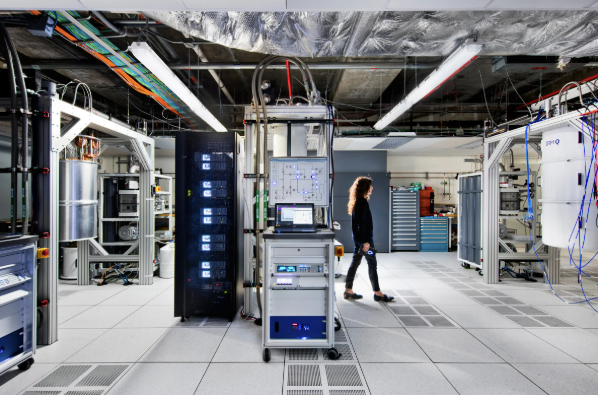
Quantum technology represents a significant leap in computational and security capabilities. Its foundational principles could transform industries by enabling advanced problem-solving and optimization. However, current challenges such as scalability and error correction remain obstacles to widespread implementation. The implications of these advancements could redefine privacy norms and technological autonomy. As progress unfolds, the question arises: how will society adapt to the profound changes brought about by quantum innovation?
Understanding Quantum Technology and Its Principles
Quantum technology represents a paradigm shift in scientific innovation, harnessing the principles of quantum mechanics to create new applications across various fields.
Central to this technology is quantum entanglement, where particles become interconnected, allowing for instantaneous communication regardless of distance.
This phenomenon challenges classical conceptions of information transfer, offering profound implications for data security, computation, and the very nature of reality itself.
Key Applications Transforming Industries With Quantum Technology
The integration of quantum technology into various industries is poised to revolutionize traditional practices and enhance capabilities.
Quantum computing enables unprecedented data processing speeds, transforming sectors like pharmaceuticals and finance through optimized algorithms.
Meanwhile, quantum cryptography offers unparalleled security, safeguarding sensitive information in an increasingly digital world.
These advancements not only drive efficiency but also empower organizations to operate with greater autonomy and resilience.
Current Challenges and Limitations Facing Quantum Development
While the potential of quantum technology is immense, several challenges and limitations hinder its widespread adoption and development.
Scalability issues pose significant barriers, as current systems struggle to maintain coherence with increasing qubit numbers.
Additionally, effective error correction remains a formidable obstacle, complicating reliable computations.
Addressing these challenges is crucial to unlocking the transformative power of quantum technologies for various applications.
See also: The Most Influential Tech Companies in the World
Future Prospects: How Will Quantum Technology Shape Our World?
Advancements in quantum technology promise to redefine numerous sectors, from computing and cryptography to materials science and pharmaceuticals.
Quantum computing is set to solve complex problems beyond classical capabilities, while quantum cryptography offers unprecedented security in data transmission.
As these technologies mature, they will empower individuals, enhance privacy, and foster innovation, ultimately reshaping the landscape of technological freedom and autonomy in society.
Conclusion
As the dawn of quantum technology approaches, it presents a paradox: while it promises unprecedented computational power and security, it also raises profound questions about privacy and control. The potential to revolutionize industries stands in stark contrast to the challenges of scalability and error correction that must be addressed. Thus, the future of quantum technology is not merely a tale of innovation but a critical exploration of the ethical frameworks that will govern its integration into society.